
side dish recipes and cooking inspiration
Ultimate Guide to Side Dishes: Easy Recipes & Delicious Ideas
Delicious Side Dishes for Every Meal and Occasion
Discover the best side dish recipes, from easy vegetables and comforting casseroles to refreshing salads and homemade breads. Explore favorite recipes, cooking techniques, seasonal inspiration, and entertaining tips to create delicious, well-balanced meals for any occasion!
Jump to Details & Helpful Tips
Use the links to explore the topics covered in this article and quickly navigate to the information you’re looking for.
Discover Delicious Side Dishes for Every Occasion
At Food with Finesse, we believe side dishes deserve just as much attention as the entrée. This ultimate guide to side dishes brings together our favorite family recipes, essential cooking techniques, seasonal inspiration, and practical entertaining advice to help you create delicious, beautifully balanced menus for every occasion.
The main course may take center stage, but thoughtfully selected side dishes are often what make a meal truly memorable. From colorful roasted vegetables and comforting casseroles to refreshing salads and homemade dinner rolls, the right accompaniments bring balance, texture, and flavor to the table. Whether you’re preparing a casual family dinner or hosting an elegant holiday celebration, choosing complementary side dishes can transform an ordinary meal into something special.
Our Favorite Side Dish Recipes
Whether you’re searching for easy vegetable side dishes, comforting casseroles, or something unexpected to complement your main course, these Food with Finesse favorites offer inspiration for every season. From treasured family recipes to creative flavor combinations, each brings something distinctive to the table.
Ultimate Carrot Soufflé — A Sweet and Savory Family Favorite

Our Ultimate Carrot Soufflé combines tender carrots, butter, milk, eggs, and sugar to create a smooth, delicate texture with just the right amount of sweetness. Its beautiful orange color and comforting flavor make it an excellent accompaniment to roasted chicken, turkey, or ham. Particularly popular for Easter, Thanksgiving, and Christmas, this family favorite is equally delicious for a Sunday dinner.
Sweet & Spicy Chipotle Apples — An Unexpected Favorite
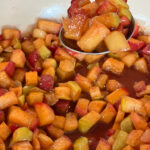
Our Chipotle Fried Apples combine the natural sweetness of apples with the smoky warmth of chipotle peppers. This unexpected combination creates a delicious balance of sweet, savory, and spicy flavors that complements pork chops, roasted pork tenderloin, and holiday ham. Especially appealing during fall and winter, these flavorful apples can also be served over vanilla ice cream for a simple dessert.
Broccoli Salad with Raspberry Dressing — Fresh and Flavorful
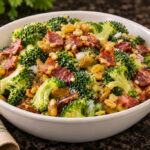
Our Broccoli Salad with Raspberry Dressing brings freshness, color, and a delightful contrast of flavors to the table. Crisp broccoli provides satisfying texture, while the fruity raspberry dressing adds brightness that complements grilled meats, roasted chicken, and rich casseroles. This refreshing salad is especially well suited to summer gatherings, potluck dinners, and outdoor entertaining.
Marshmallow Black Cherry Jell-O Salad — A Nostalgic Classic
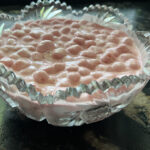
Our Marshmallow Black Cherry Jell-O Salad combines fruity black cherry flavor, fluffy marshmallows, and a creamy whipped topping. This nostalgic family favorite is a wonderful addition to holiday buffets, potluck dinners, and special celebrations. Its light, sweet flavor makes it equally suitable as a side dish or dessert, and its make-ahead convenience is particularly helpful when entertaining.
Homemade Finger Rolls — A Family Tradition

Few things make a dinner table more inviting than freshly baked bread. Our Homemade Finger Rolls are a treasured family recipe, named for their distinctive long, narrow shape. Arranged closely together in the baking pan, these soft, tender rolls develop beautifully golden tops and are especially delicious alongside roasted meats, comforting casseroles, and holiday dinners. Serve them warm with butter for a memorable addition to any meal.
How to Choose and Elevate the Perfect Side Dish
Choosing the right side dishes involves more than selecting a favorite vegetable or starch. A thoughtfully planned menu considers how flavors, textures, colors, and cooking methods complement one another. Rich, savory entrées such as roast beef or creamy pasta often benefit from lighter accompaniments, while delicate dishes such as grilled fish or roasted chicken pair beautifully with more substantial sides. The goal is to create a balanced dining experience where every dish contributes something distinctive without competing with the main course.
Texture and color are equally important. Combining tender, creamy, crisp, and crunchy elements makes a meal more interesting, while colorful vegetables create an inviting presentation. For example, smooth mashed potatoes pair beautifully with roasted vegetables that have caramelized edges, while a fresh green salad provides contrast to a rich casserole. Seasonal ingredients also offer wonderful inspiration, from tender spring asparagus and summer tomatoes to autumn squash and winter root vegetables.
Small finishing touches can elevate even the simplest side dish. Fresh herbs, citrus zest, toasted nuts, and a splash of lemon juice or vinegar can enhance flavor without overwhelming the natural taste of the ingredients.
Presentation also matters; arranging vegetables on an attractive platter and adding a simple garnish can transform an everyday dish into something special. Often, the most memorable side dishes are those that allow quality ingredients and thoughtful preparation to shine.
Essential Cooking Techniques for Delicious Vegetable Side Dishes
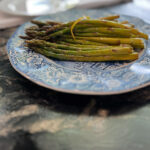
Understanding a few fundamental cooking techniques can dramatically improve the flavor, texture, and appearance of vegetable side dishes. Whether you’re preparing a quick weeknight dinner or an elaborate holiday meal, choosing the appropriate cooking method helps bring out the best qualities of each ingredient.
Roasting Vegetables
Roasting is one of the most effective ways to develop deep flavor in vegetables. The dry heat of the oven encourages browning and caramelization, enhancing the natural sweetness of carrots, Brussels sprouts, broccoli, squash, and potatoes. For the best results, cut vegetables into relatively uniform pieces, coat them lightly with oil, and arrange them in a single layer without overcrowding the pan. Leaving space between the pieces allows moisture to evaporate, promoting beautifully browned edges rather than steaming.
Sautéing Vegetables
Sautéing offers a quick and flavorful alternative, particularly for tender vegetables such as zucchini, mushrooms, spinach, and asparagus. Cooking vegetables in a skillet with a small amount of butter or olive oil allows them to develop flavor while retaining their natural texture. Garlic, fresh herbs, citrus zest, and toasted nuts can be added near the end of cooking to create a more distinctive finished dish.
Steaming Vegetables
Steaming is an excellent choice when you want the natural flavor of vegetables to remain the focus. Broccoli, cauliflower, green beans, carrots, and asparagus can be steamed until just tender, then finished with butter, lemon juice, or fresh herbs. Because steaming uses moist heat, careful attention to cooking time helps prevent vegetables from becoming overly soft.
Blanching Vegetables
Blanching is particularly useful when preparing vegetables ahead of time. Vegetables are briefly immersed in boiling water and then transferred to an ice bath to stop the cooking process. This technique helps preserve vibrant color and allows vegetables such as green beans, asparagus, broccoli, and carrots to be finished quickly before serving.
For more detailed instructions, explore our Ultimate Guide to Cooking Vegetables, which explains how different cooking methods affect vegetable flavor and texture.
Comforting Potato Dishes, Casseroles, and Homemade Breads
While fresh vegetables bring brightness and color to a meal, comforting side dishes provide warmth, richness, and familiarity. Potatoes, baked casseroles, and homemade breads are especially popular because they complement a wide variety of main courses and can often be adapted to suit different occasions.
Potatoes are among the most versatile ingredients in the kitchen. Creamy mashed potatoes are a natural accompaniment to roasted meats, while crispy oven-roasted potatoes provide a flavorful contrast to tender chicken or fish. For more formal dinners and holiday celebrations, scalloped potatoes and potatoes au gratin offer a richer presentation with their tender layers and creamy texture. Even a simple baked potato can become a satisfying side dish when finished with butter, herbs, or other favorite toppings.
Vegetable casseroles are another dependable choice, particularly when cooking for larger groups. Traditional favorites such as green bean casserole, broccoli casserole, and baked vegetable gratins combine familiar ingredients into satisfying dishes that are easy to serve. Many casseroles can be assembled in advance, making them especially convenient for holidays and dinner parties when oven space and preparation time are limited.
Homemade breads complete the meal by adding another layer of texture and flavor. Soft dinner rolls, savory biscuits, cornbread, and herb breads are particularly delicious alongside soups, stews, and roasted meats. When planning a menu, consider whether bread will complement the other side dishes or make the meal unnecessarily heavy.
Seasonal Side Dish Ideas for Year-Round Entertaining
One of the easiest ways to keep your meals interesting is to let the seasons inspire your side dish selections. Seasonal ingredients bring variety to familiar recipes and create natural opportunities to experiment with different flavors, textures, and cooking methods.
Spring and Summer Side Dishes
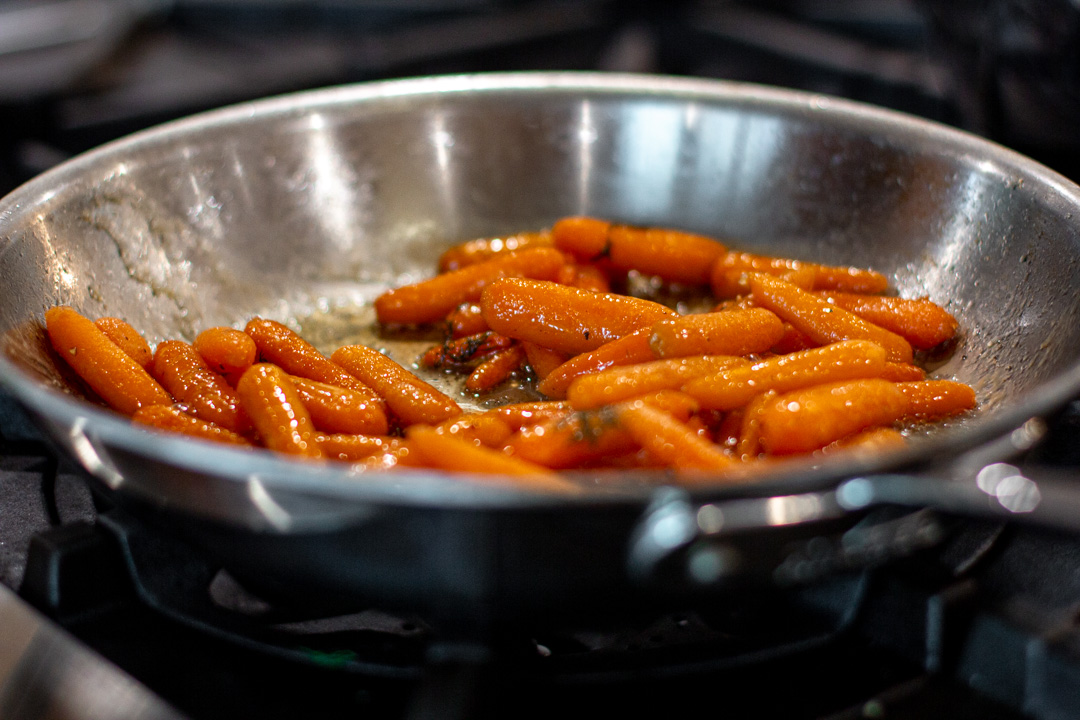
Spring is the perfect time to embrace fresh asparagus, tender peas, carrots, and delicate herbs. These ingredients work beautifully in lighter preparations that allow their natural flavors to shine. Roasted asparagus finished with lemon, glazed carrots, and simple vegetable sautés are excellent accompaniments to chicken, fish, and lamb. Our Carrot Soufflé is particularly appealing for Easter celebrations, offering a colorful and comforting addition to a spring holiday menu.
As temperatures rise, summer menus naturally shift toward refreshing salads, grilled vegetables, fresh corn, tomatoes, and zucchini. Our Broccoli Salad with Raspberry Dressing is a wonderful choice for outdoor gatherings, providing a bright contrast to grilled meats and richer picnic favorites. Cold salads are especially convenient for entertaining because many components can be prepared in advance, leaving more time to enjoy your guests.
Fall and Winter Side Dishes
Autumn brings a wonderful selection of apples, squash, sweet potatoes, and root vegetables that lend themselves to roasting, baking, and comforting casseroles. The natural sweetness of these ingredients pairs beautifully with warm spices, fresh herbs, and savory meats. Our chipotle apples are particularly well suited to fall menus, offering a distinctive combination of smoky heat and sweetness that complements pork and ham.
Winter entertaining often calls for richer, more substantial side dishes. Creamed spinach, potatoes au gratin, roasted root vegetables, and traditional casseroles bring warmth and comfort to the table. Holiday gatherings also provide the perfect opportunity to serve treasured family recipes, including our Homemade Finger Rolls and Marshmallow Black Cherry Jell-O Salad. Combining these familiar favorites with fresh vegetable dishes creates a menu that feels both traditional and balanced.
What Side Dishes Go with Different Main Courses?
Pairing side dishes with the main course is one of the most important parts of planning a successful meal. The best combinations consider the flavors and richness of the entrée while adding complementary textures and ingredients. Although personal preferences always play a role, a few classic pairings provide a helpful starting point.
Roasted chicken is exceptionally versatile and pairs beautifully with carrots, asparagus, mashed potatoes, rice, and fresh salads. Beef dishes, including steak and roast beef, often benefit from hearty accompaniments such as potatoes au gratin, sautéed mushrooms, and creamed spinach. Pork pairs particularly well with ingredients that offer sweetness or acidity, making apples, glazed carrots, and tangy salads excellent choices.
Fish and seafood generally work best with lighter side dishes that complement their delicate flavors. Lemon-roasted asparagus, sautéed zucchini, rice pilaf, and fresh green salads are excellent options. Pasta dishes, particularly those with rich sauces, often need little more than a crisp salad, roasted vegetables, or a warm piece of garlic bread to create a satisfying meal.
Side Dish Pairing Guide
| Main Course | Recommended Side Dishes |
|---|---|
| Roasted Chicken | Carrot Soufflé, roasted asparagus, mashed potatoes |
| Steak or Roast Beef | Potatoes au gratin, sautéed mushrooms, green beans |
| Pork Chops or Tenderloin | Chipotle Fried Apples, glazed carrots, roasted potatoes |
| Fish and Seafood | Lemon asparagus, rice pilaf, fresh green salad |
| Pasta | Roasted broccoli, Caesar salad, garlic bread |
| Thanksgiving Turkey | Carrot Soufflé, green bean casserole, homemade rolls |
| Holiday Ham | Chipotle Fried Apples, sweet potatoes, roasted vegetables |
These combinations are intended as inspiration rather than strict rules. Experimenting with different ingredients and cooking techniques is part of what makes cooking enjoyable, and sometimes the most memorable pairings come from trying something unexpected.
How Many Side Dishes Should You Serve?
The number of side dishes you need depends on the occasion, the number of guests, and the variety of foods included in your menu. For a typical family dinner, one or two complementary sides are usually sufficient. A simple roasted chicken served with green beans and mashed potatoes, for example, provides a satisfying combination of protein, vegetables, and starch without requiring extensive preparation.
When hosting a dinner party, two or three thoughtfully selected side dishes generally provide enough variety. Consider including one vegetable dish, one potato or grain-based accompaniment, and perhaps a fresh salad or homemade bread. For holiday celebrations and larger buffets, four to six side dishes may be appropriate, particularly when guests enjoy sampling several traditional favorites.
Portion planning is equally important. When serving several different side dishes, guests typically take smaller portions of each. The following guidelines provide a useful starting point for estimating quantities.
Side Dish Serving Guide
| Type of Side Dish | Suggested Amount Per Person |
|---|---|
| Cooked Vegetables | ½–¾ cup |
| Mashed Potatoes | ½–¾ cup |
| Rice or Cooked Grains | ½ cup |
| Fresh Green Salad | 1–2 cups |
| Vegetable Casserole | ½–¾ cup |
| Homemade Dinner Rolls | 1–2 rolls |
These estimates can be adjusted based on the number of dishes offered, the appetites of your guests, and whether the meal includes appetizers or dessert. For holidays and special occasions, preparing a little extra of your most popular dishes can be helpful, particularly if guests enjoy taking leftovers home.
Make-Ahead Side Dishes for Stress-Free Entertaining
One of the most valuable entertaining skills is knowing which dishes can be prepared ahead of time. Thoughtful planning allows you to serve a beautiful meal without spending the entire gathering in the kitchen. By choosing a combination of make-ahead recipes and dishes that require only a few finishing touches, you can simplify preparation while maintaining freshness and quality.
Vegetables can often be washed, trimmed, and cut a day or two before cooking, provided they are stored appropriately. Some vegetables, including green beans and asparagus, can also be blanched in advance and refrigerated until you’re ready to finish them. This approach is particularly useful for holiday dinners when several dishes need attention at the same time.
Casseroles are another excellent option for advance preparation. Depending on the recipe, they may be assembled ahead and refrigerated until baking, or fully cooked and reheated before serving. Cold salads can also simplify entertaining, although the timing depends on their ingredients. Sturdy vegetable salads may benefit from time in the refrigerator, while delicate greens should generally be dressed shortly before serving to maintain their texture.
When planning your cooking schedule, consider oven temperatures, baking times, and available stovetop space. A menu that includes several casseroles requiring different oven temperatures can quickly become difficult to coordinate. Instead, choose a combination of oven-baked, stovetop, and cold side dishes so that everything can be served at its best.
Food with Finesse Entertaining Tip: For larger gatherings, create a simple preparation schedule that identifies what can be completed two days before, the day before, and on the day of your event. This small step can make a remarkable difference in how smoothly your meal comes together.
The History and Evolution of Side Dishes
Side dishes have been an important part of culinary traditions around the world for centuries, reflecting regional ingredients, cultural customs, and changing approaches to dining. Although the term side dish is commonly associated with Western meal structures, the practice of serving several complementary foods together appears in many cuisines.
In European culinary traditions, vegetables, breads, potatoes, and grains became familiar accompaniments to meat and fish. Elaborate banquets often featured numerous dishes designed to showcase seasonal ingredients and the skill of the cook. Over time, simpler meal structures became common in many households, with a main course accompanied by one or more vegetables, starches, or salads.
Other culinary traditions approach the relationship between main dishes and accompaniments differently. Many Asian meals feature rice or noodles alongside shared vegetables, pickles, proteins, and condiments, creating a balanced selection of flavors and textures. Mediterranean cuisines frequently incorporate fresh vegetables, grains, legumes, and breads as integral parts of the meal rather than treating them as secondary additions.
Today, side dishes continue to evolve as home cooks draw inspiration from traditional family recipes, global flavors, and modern cooking techniques. Whether serving a familiar casserole or experimenting with roasted vegetables and international seasonings, the goal remains much the same: to create a satisfying meal in which the individual dishes complement one another.
Find Your Next Favorite Side Dish
Whether you’re preparing a quick weeknight dinner, planning a holiday celebration, or hosting an elegant gathering, thoughtfully chosen side dishes can make every meal more memorable. From colorful vegetables and comforting casseroles to refreshing salads and homemade breads, the possibilities are nearly endless. By combining seasonal ingredients, reliable cooking techniques, and complementary flavors, you can create delicious menus that feel both balanced and inviting.
At Food with Finesse, we’re passionate about sharing recipes that bring family and friends together around the table. Explore our collection of side dish recipes, discover new cooking techniques, and find inspiration for your next gathering. Whether you’re revisiting a cherished family favorite or trying something new, we hope these recipes become part of your own cooking traditions.
FAQs for side dishes
Frequently Asked Questions
Find answers to common questions, along with helpful tips and practical advice.
What defines a side dish?
A side dish is a secondary serving that accompanies the main course during a meal. It’s usually smaller in portion and designed to complement or enhance the flavors of the main dish. Side dishes range from simple steamed vegetables to elaborate salads and starches.
Why are side dishes important in a meal?
Side dishes add variety, texture, and color to a meal, enhancing the flavors of the main course and increasing the overall nutritional value. They help balance the meal, making it more complete and satisfying.
Can side dishes be made in advance?
Yes, many side dishes can be made in advance. Many casseroles, cold salads, and vegetable dishes can be prepared partially or completely in advance. Some casseroles can be assembled the day before and baked shortly before serving, while sturdy vegetable salads may benefit from resting in the refrigerator. Always follow the individual recipe’s instructions for storage, cooking, and reheating to maintain quality and food safety.
What side dishes can be made in advance?
Roasted vegetables, mashed potatoes, and rice dishes can be made in advance. I typically prepare vegetables in advance by blanching them. Our guide gives you step by step instructions on how to blanche and pre-cook your vegetables in advance. Our Carrot Souffle, Chipotle Fried Apples, Marshmallow Black Cherry Jello Salad can all be made in advance.
How do I choose the right side dish?
Consider the flavors and cooking methods of your main dish. Aim for side dishes that balance or complement the main course. For rich, hearty entrees, opt for lighter, refreshing sides like salads or steamed vegetables. For lighter mains, consider more substantial sides like grains or roasted vegetables.
Can side dishes serve as a main course?
Yes, especially in vegetarian and vegan diets, side dishes such as legume salads, greens, mushrooms, grain bowls, or hearty vegetable casseroles can serve as fulfilling main courses.
What are some tips for making side dishes quickly?
Keep ingredients simple and use cooking methods like sautéing, steaming, or roasting, which can bring out flavors without requiring much time. Prepping vegetables ahead of time and keeping pantry staples on hand can also speed up the cooking process.
How can I present side dishes attractively?
Use colorful ingredients to add visual appeal, serve sides in unique dishes or arrange them creatively on a platter. Garnishing with fresh herbs, seeds, or nuts can add texture and enhance flavors visually and gastronomically. If you are serving sauteed green beans then consider topping the green beans with toasted sliced or slivered almonds and fresh lemon juice.
What are some classic side dishes for special occasions?
For holidays and special events, traditional sides like mashed potatoes, stuffing, cranberry sauce, jello salad and seasonal vegetable gratins are popular. These dishes complement typical main courses served during celebrations and add a festive touch to the meal.
What are the most popular side dishes?
Some of the most popular side dishes include mashed potatoes, roasted vegetables, green beans, macaroni and cheese, rice, fresh salads, and dinner rolls. These familiar favorites are versatile enough to accompany a wide range of main courses and can be adapted for both casual family dinners and special celebrations. Seasonal ingredients and different cooking methods also allow you to create variations that keep these traditional dishes interesting.
What are some easy side dishes for dinner?
Easy dinner side dishes include roasted broccoli, sautéed zucchini, steamed asparagus, garlic green beans, baked potatoes, and simple green salads. Many of these recipes require only a few ingredients and can be prepared in approximately 30 minutes or less. For busy evenings, choose vegetables that can cook while your main course is in the oven or on the stovetop.
What are the best side dishes for a dinner party?
The best dinner party side dishes combine delicious flavor, attractive presentation, and convenient preparation. Potatoes au gratin, roasted asparagus, glazed carrots, vegetable casseroles, and fresh seasonal salads are excellent choices. Whenever possible, select at least one dish that can be prepared ahead of time so you can focus on your guests rather than last-minute cooking.
What side dishes go best with chicken?
Chicken pairs beautifully with a wide variety of side dishes because its mild flavor complements both simple and richly seasoned accompaniments. Roasted asparagus, mashed potatoes, rice pilaf, glazed carrots, and fresh salads are all excellent options. For a special occasion, our Carrot Soufflé provides a delicious combination of sweetness and creamy texture alongside roasted chicken.
What are the best vegetable side dishes?
Roasted asparagus, garlic green beans, glazed carrots, sautéed zucchini, roasted broccoli, and Brussels sprouts are among the most versatile vegetable side dishes. The best choice depends on the main course, season, and desired cooking method. Roasting develops deeper flavors, while steaming and sautéing are excellent options when you want vegetables to retain a fresher taste and texture.
How many side dishes should I prepare for 10 guests?
For a dinner party with 10 guests, two or three side dishes are generally sufficient when serving a main course. If you’re planning a holiday buffet, consider offering four or five different sides so guests have a wider selection. Estimate portions based on the number of dishes being served, remembering that guests usually take smaller servings when several options are available.
Can side dishes be served as the main course?
Absolutely. Many hearty vegetable casseroles, substantial salads, grain dishes, and legume-based recipes can serve as satisfying main courses. Adding ingredients such as beans, lentils, eggs, cheese, or other protein sources can transform a traditional accompaniment into a complete meal. This flexibility makes side dish recipes especially useful when planning vegetarian meals or repurposing leftovers.