
Herbs & seasoning
What Is Chervil? Flavor, Uses & Cooking Tips
Discover the Delicate French Herb That Elevates Everyday Cooking
Meet chervil, a delicate French culinary herb with a subtle, sweet flavor and hints of anise. Discover what makes this often-overlooked herb special, how to cook with it, and simple ways to bring its elegant flavor into your kitchen. The secret herb chefs love!
Jump to Details & Helpful Tips
Use the links to explore the topics covered in this article and quickly navigate to the information you’re looking for.
Chervil: The Elegant Booster Every Home Cook Should Know
If you’ve ever wished your dishes had that subtle, chef-level finish, it’s time to meet chervil. This delicate, often-overlooked herb brings a refined blend of mild sweetness and a whisper of anise to everything from eggs and seafood to salads and sauces. Often called the “French parsley,” chervil herb is a culinary secret weapon that adds depth without overpowering your ingredients. In this article, I’ll share how I discovered chervil, how to use it in everyday cooking, and why it deserves a front-row spot in your kitchen and herb garden.
Discovering Chervil: A Hidden Gem in the Herb World
It all started on a quiet afternoon at my local spice shop when a wispy green herb caught my eye—chervil. Delicate, fragrant, and unfamiliar, I brought it home on a whim. That moment sparked a flavorful revelation. Today, it’s my not-so-secret ingredient for adding elegance and complexity to everything from soups to seafood.
What is Chervil?
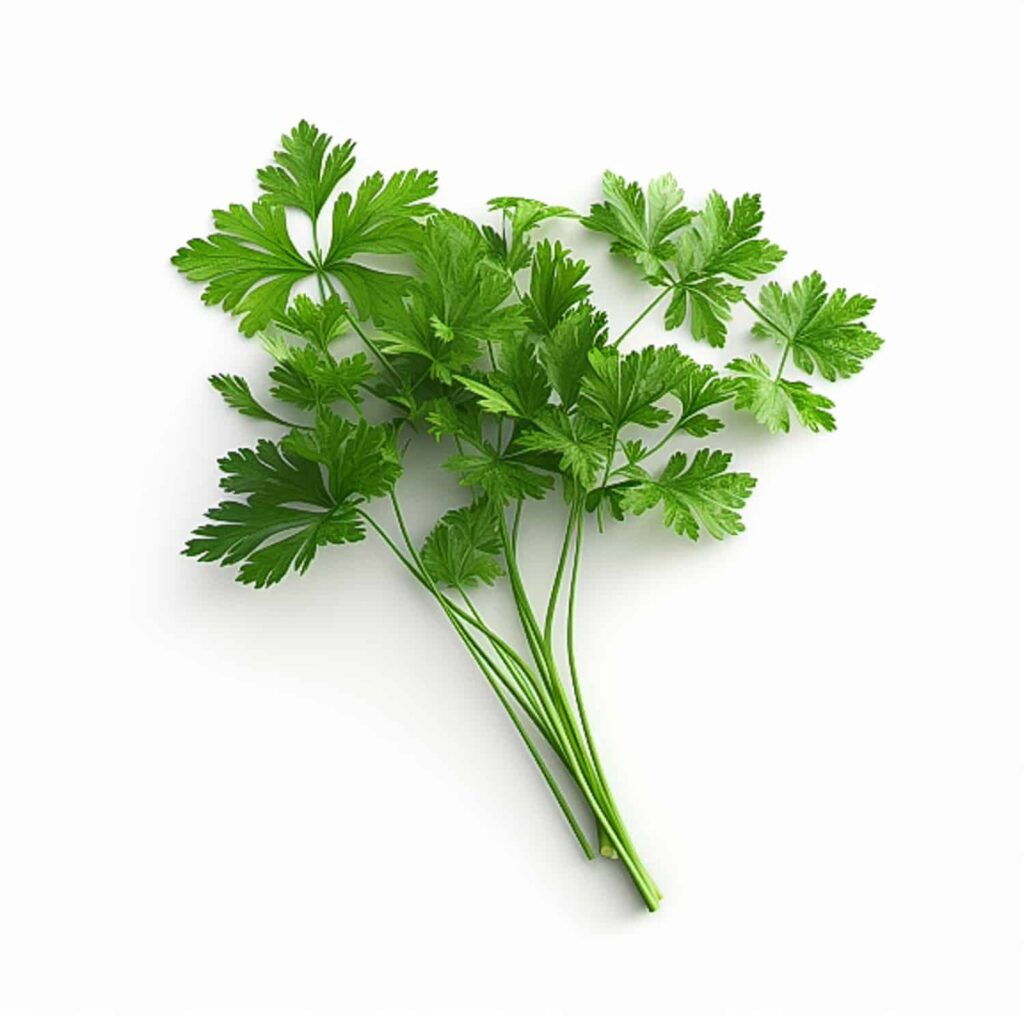
Chervil (Anthriscus cerefolium) is a soft, feathery herb from the parsley family, cherished in classic French cuisine. It’s known for its mild, sweet, and slightly anise-like flavor, making it a favorite for enhancing dishes without overwhelming them.
- Flavor Profile: Mild, sweet, hints of licorice
- Commonly Paired With: Eggs, seafood, cream sauces, fresh greens
- Fun Fact: This delicate herb is one of the four herbs in fines herbes, a classic French blend alongside parsley, chives, and tarragon.
Chervil: Rich in History & Tradition
Originating near the Caspian Sea and migrating into Europe, chervil was prized by the Greeks and Romans for both culinary and medicinal uses. In medieval times, it symbolized good fortune and protection, even featuring in springtime rituals.
Today, chefs and gardeners alike appreciate its delicate charm and versatility.
How to Cook with Chervil
What makes chervil so unique is its distinctive flavor. Unlike other herbs that can overpower a dish, it adds a delicate yet distinct flavor that enhances the overall culinary experience. Its subtle hints of sweetness and anise create a harmonious balance of flavors, elevating even the simplest of dishes to gourmet status.
Whether I’m whipping up a fresh green salad or simmering a hearty soup, chervil always finds its way into my recipes. Its versatility knows no bounds:
- Salads: Toss fresh chervil into leafy greens for a subtle herbal finish.
- Soups, Stews and Sauces: Stir in at the end of cooking for a bright, aromatic touch.
- Egg Dishes: Elevates omelets, scrambled eggs, and quiches.
- Seafood: Pairs wonderfully with salmon, shrimp, and scallops.
- Herb Butter: Mix into softened butter and serve with bread or grilled veggies.
Chervil also makes a lovely finishing herb for vegetables. For beautifully prepared vegetables that retain their vibrant color and texture, explore our Guide to Blanching Vegetables before adding a sprinkle of fresh chervil.
Fresh vs. Dried Chervil
Fresh chervil is preferred for its delicate flavor, soft texture, and subtle hints of anise. It’s particularly delicious when sprinkled over finished dishes, folded into herb butter, or added to salads and delicate sauces.
Dried chervil is a convenient alternative when fresh isn’t available, although some of its distinctive aroma is lost during drying. For the best results, add either form toward the end of cooking to preserve its subtle flavor.
Nutritional Benefits and Health Considerations
While chervil is best known for its delicate flavor and aroma, this fresh herb also contains vitamins, minerals, and naturally occurring plant compounds. Like many leafy herbs, chervil provides small amounts of nutrients, including vitamin C and minerals such as calcium and potassium.
Because chervil is typically used in small quantities, its greatest contribution to a dish is its fresh, aromatic flavor rather than its nutritional value.
Growing Chervil at Home
Chervil, an annual herb that thrives in cool, shaded environments and grows well in both gardens and containers.
- Planting Time: Early spring or fall
- Harvest: 70–90 days after sowing; trim young leaves for best flavor
- Tips: Keep soil moist and avoid full sun to prevent bolting. Regular harvesting encourages growth and ensures a steady supply of fresh chervil leaves.
Fresh homegrown chervil has the most potent flavor—perfect for your kitchen creations.
Why Chervil Deserves a Place in Your Kitchen
Chervil might not be the first herb you reach for—but once you try it, you’ll keep it close. It’s a flavor enhancer, a kitchen essential, and a beautiful garnish all in one. Sprinkle it over your next dish and prepare to impress your taste buds (and your guests).

FAQs about Chervil
Frequently Asked Questions
Find answers to common questions, along with helpful tips and practical advice.
Does chervil come back every year?
Great question! Chervil is an annual herb, meaning it completes its life cycle in one growing season. However, it can readily self-seed, allowing new plants to appear the following year. Chervil prefers cooler temperatures and partial shade, making spring and fall ideal growing seasons in many climates.
How do I store chervil?
Fresh chervil can be stored in the refrigerator, wrapped in a damp paper towel and placed in a plastic bag, for up to a week. Alternatively, it can be dried or frozen for longer-term storage, though its flavor may diminish slightly.
Is chervil the same as parsley or cilantro?
No, chervil is a distinct herb with a flavor profile that differs from both parsley and cilantro. While they may look similar, it has a delicate, slightly sweet taste with hints of anise, unlike parsley’s milder flavor and cilantro’s more pungent taste.
Where can I buy chervil?
Chervil can be purchased at local markets, specialty grocery stores, or online herb suppliers. It’s best to look for fresh, but dried may also be available in some specialty spice stores or at Amazon .
Can I substitute chervil with parsley?
Yes, but you’ll miss the light anise flavor. Tarragon or fennel fronds offer a closer substitute.
Is dried chervil as flavorful as fresh?
Fresh chervil offers the most delicate, aromatic flavor, while dried chervil has a milder taste. When substituting dried chervil for fresh, start with approximately one-third of the amount and adjust to taste. For the best flavor, add chervil toward the end of cooking.